Are you aiming to advance your career with a Master’s in Supply Chain Management but worried about the cost? You’re not alone.
Finding the right scholarship can make all the difference in turning your goals into reality. Imagine cutting your expenses and focusing fully on your studies, gaining the skills that top employers want. You’ll discover the best scholarships tailored for Supply Chain Management master’s students—designed to help you succeed without financial stress.
Keep reading to unlock opportunities that could change your future.
Scholarship Options
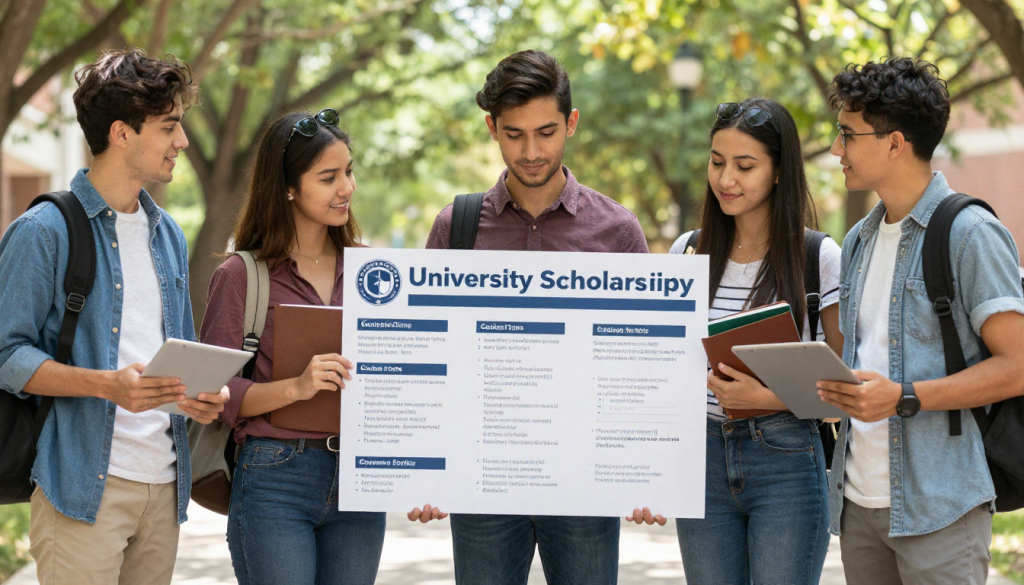
Scholarships for a Masters in Supply Chain Management can reduce education costs. Various options exist to support your studies. These options include funding from universities, governments, private groups, and international programs. Exploring each can help you find the best fit for your needs.
University Scholarships
Many universities offer scholarships to attract talented students. These awards may cover full or partial tuition fees. Some scholarships reward academic excellence or leadership skills. Check the university’s website for application details and deadlines. Early application improves your chances of success.
Government Grants
Governments often provide grants to support higher education. These grants usually do not require repayment. Some focus on specific fields like supply chain management. Eligibility criteria vary by country and region. Visit official government education portals for accurate information.
Private Organization Funding
Private companies and foundations offer scholarships to students. These funds aim to develop skilled professionals in supply chain roles. Some require work commitments after graduation. Research companies related to logistics, manufacturing, or trade. Submit applications with clear and honest personal statements.
International Scholarships
International scholarships support students studying abroad. These programs promote cultural exchange and global learning. They may cover travel, tuition, and living expenses. Look for scholarships from global institutions or international bodies. Ensure you meet nationality and academic requirements before applying.
Eligibility Criteria
Scholarships for a Masters in Supply Chain Management have specific rules. These rules decide who can apply and who cannot. Meeting these rules is very important to get the scholarship. The rules cover different areas like education, work, and nationality.
Academic Requirements
A good academic record is necessary. Most scholarships need a bachelor’s degree. The degree should be from a recognized university. Some scholarships ask for a minimum grade or GPA. This shows your ability to study at a higher level.
Work Experience
Some scholarships want applicants to have work experience. Experience in supply chain or related fields is preferred. This helps show practical knowledge and skills. The required experience can range from one to three years.
Nationality And Residency
Scholarships often focus on certain countries or regions. Some are only for students from specific countries. Others may require you to live in a certain place. Check the rules carefully to see if you qualify.
Field Of Study
The scholarship usually supports studies in supply chain management. Related fields like logistics, operations, or business may also qualify. The goal is to help students studying subjects linked to supply chain.
Application Strategies
Applying for a scholarship in Supply Chain Management requires careful planning. Strong application strategies increase your chances of success. Focus on key areas to create a standout application.
Tailoring Your Resume
Customize your resume to highlight relevant skills and experiences. Include coursework, internships, or projects related to supply chain management. Use clear, simple language and bullet points. Avoid long paragraphs that can confuse readers. Show how your background fits the scholarship goals.
Writing A Strong Personal Statement
Write a personal statement that tells your story. Explain why you want to study supply chain management. Share your career goals and how the scholarship helps. Keep sentences short and clear. Use examples to show your passion and commitment. Make your statement honest and unique.
Gathering Recommendation Letters
Choose recommenders who know your skills well. Professors or employers in related fields work best. Ask for letters early to give enough time. Provide recommenders with your resume and personal statement. This helps them write detailed, strong letters. Letters should explain your strengths and potential clearly.
Meeting Deadlines
Track all scholarship deadlines carefully. Missing a deadline can end your chances. Set reminders for each important date. Submit all documents on time and double-check everything. Early submission shows responsibility and interest. Keep copies of your applications for reference.
Financial Planning
Planning your finances is key for a successful master’s in supply chain management. Managing tuition, living costs, and unexpected expenses helps reduce stress. Careful financial planning also makes the most of scholarships and other funding options. Start with a clear budget and explore ways to cover all costs. This approach keeps you focused and prepared throughout your studies.
Budgeting For Tuition And Living Costs
Calculate your tuition fees early. Include books, supplies, and any other course fees. Next, estimate your monthly living costs. Think about rent, food, transportation, and utilities. Don’t forget health insurance and personal expenses. Create a detailed budget and track your spending. Adjust as needed to stay within your limits.
Combining Scholarships And Loans
Use scholarships as your first funding source. They reduce the amount you need to borrow. If scholarships don’t cover all costs, consider student loans. Choose loans with low interest rates and flexible repayment terms. Avoid borrowing more than necessary. Plan how you will repay loans after graduation.
Part-time Work Opportunities
Part-time jobs help cover extra costs. Look for work related to supply chain management. This builds experience and supports your studies. Balance work hours with class schedules. Avoid overworking to keep good grades. Use campus job boards or local businesses to find openings.
Emergency Funds
Set aside money for unexpected expenses. Emergencies can include medical bills or urgent travel. Keep this fund separate from your main budget. Even a small amount can provide peace of mind. Regularly add to your emergency savings if possible. This safety net helps you focus on your studies.
Maximizing Success
Maximizing success in obtaining a scholarship for a Master’s in Supply Chain Management requires more than just good grades. It involves strategic actions that increase your chances. Building connections, gaining knowledge, and practicing skills make a big difference. Below are key steps to help you prepare effectively.
Networking With Alumni
Alumni can offer valuable advice about scholarships and programs. Reach out to those who studied supply chain management. They share insights on application processes and scholarship tips. Join alumni groups on social media or attend university events. Their experience can guide you toward better opportunities.
Attending Scholarship Workshops
Workshops teach you how to write strong applications. They also explain scholarship criteria clearly. Participate in these sessions at your school or online. You learn to avoid common mistakes. Practice writing essays and filling forms under expert guidance.
Leveraging Online Resources
Many websites list scholarships for supply chain management students. Use these platforms to find options matching your profile. Read scholarship rules carefully. Download sample essays and application tips. Online forums also offer peer support and advice.
Preparing For Interviews
Some scholarships require interviews to assess candidates. Practice answering common questions confidently. Focus on your motivation and career goals in supply chain. Mock interviews with friends or mentors help reduce nervousness. Clear communication can improve your chances greatly.
Frequently Asked Questions
What Scholarships Are Available For Masters In Supply Chain Management?
Many universities and organizations offer scholarships for this field. These include merit-based, need-based, and industry-sponsored scholarships. Research specific institutions and supply chain associations for updated scholarship opportunities.
How Can I Apply For A Supply Chain Management Scholarship?
Start by checking eligibility criteria on scholarship websites. Prepare documents like transcripts, resumes, and recommendation letters. Submit applications before deadlines and write a compelling personal statement highlighting your goals and achievements.
Are International Students Eligible For These Scholarships?
Yes, many scholarships welcome international applicants. Some scholarships are specifically designed for global students. Always verify the scholarship’s eligibility requirements before applying to ensure qualification.
What Factors Increase Scholarship Chances In Supply Chain Management?
Strong academic records, relevant work experience, and leadership skills boost chances. Tailoring applications to highlight supply chain interests also helps. Early applications and well-written essays make a positive impact.
Conclusion
Scholarships help many students afford a Masters in Supply Chain Management. They reduce financial stress and open new learning chances. Applying early and meeting all requirements increases your chances. Keep track of deadlines and prepare your documents carefully. With effort and planning, funding your education becomes easier.
Take the first step today and explore available scholarships. Success is closer than you think.